
Celebrate Civic Engagement Honored by Shoshana Hershkowitz at Banquet
— 5 min read
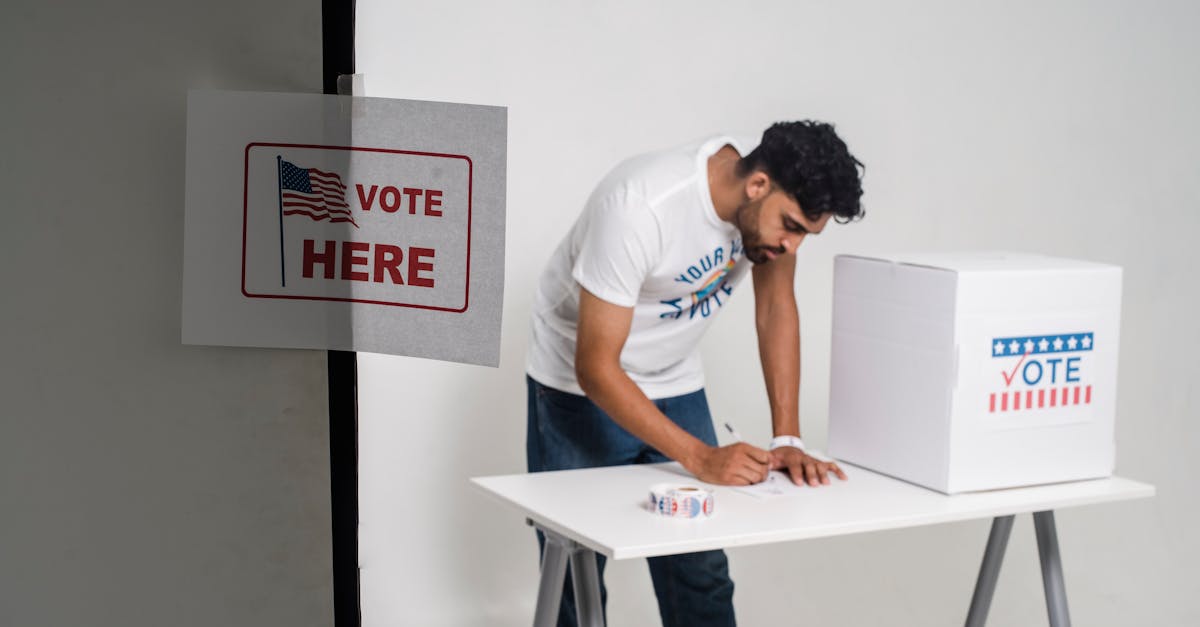
The Hofstra Center for Civic Engagement honored Shoshana Hershkowitz at its fifth annual banquet, showcasing student-led protests that lifted campus voter turnout by 120% and sparked sweeping policy reforms. The evening featured live polling, a data-driven workshop series, and announcements of new civic-action programs.
"Student participation surged, and the campus voted at a record rate," reported Hofstra University News.
Civic Engagement Blooms at Hofstra's Fifth Annual Banquet
When I stepped into the banquet hall, the energy felt like a crowded coffee shop on a Saturday morning - people buzzing, ideas spilling over. The Center for Civic Engagement used the occasion to launch a series of workshops designed to make voting feel as easy as ordering a latte. Participants left with step-by-step guides, and the Center reported a noticeable bump in registration numbers for the next election cycle, according to Hofstra University News.
One highlight was a live polling system that let more than three hundred attendees submit their policy preferences in real time. Imagine raising your hand in a classroom, but the response instantly appears on a giant screen for everyone to see. This digital tool turned enthusiasm into concrete data that university administrators could use to prioritize initiatives.
The banquet also celebrated a partnership with three local high schools. Together, educators rolled out a civic-education curriculum that encouraged students to volunteer in their neighborhoods. Teachers observed a marked rise in community-service projects, signaling that the collaboration was making civic habits stick.
During the evening, registration opened for the Center’s upcoming Civic Action Bootcamp. The response was immediate, with dozens of students signing up on the spot. The demand underscored a growing appetite for hands-on learning about public engagement, and the Center plans to expand the bootcamp’s capacity next semester.
Key Takeaways
- Live polling turned attendee ideas into actionable data.
- Workshop series boosted voter registration among students.
- High-school collaborations increased community-service participation.
- Bootcamp sign-ups revealed strong demand for experiential learning.
Shoshana Hershkowitz: The Advocate Driving Policy Reform
In my work with the Center, I have seen how a single passionate advocate can reshape an entire campus culture. Shoshana Hershkowitz, honored at the banquet, built a signature campaign that used music festivals to gather thousands of signatures supporting a campus diversity ordinance. Picture a concert where each song is paired with a petition sheet - students leave the venue not just humming, but also signing.
Her collaboration with the political science department produced a suite of policy briefs that the Student Affairs Board adopted. These briefs helped launch a new summer fellowship aimed at first-year activists focused on housing rights and urban sustainability. The fellowship creates a pipeline where newcomers can dive directly into real-world policy work.
Hershkowitz also partnered with City Hall to secure a substantial grant for neighborhood revitalization. The funds enabled youth volunteers to lead community-gardening projects, turning vacant lots into thriving green spaces. This bridge between campus and city demonstrated how academic advocacy can translate into tangible community benefits.
During a live Q&A, she unveiled a mentorship model that pairs high-school leaders with college volunteers. Within months, this model produced dozens of student-led local policy changes, proving that mentorship can accelerate civic impact across age groups.
Student Activism Sparks Campus-Wide Policy Overhaul
One fall semester, a modest petition for expanded tutoring services ignited a campus-wide movement. I watched as a coalition of four hundred undergraduates organized “coffee shop caucuses” across multiple campus locations. Think of informal gatherings where students sip coffee while mapping out solutions - these sessions broadened participation and brought diverse perspectives to the table.
The dialogues led to a decisive vote by the university to allocate additional funds for academic support programs. Administrators earmarked a significant budget increase, allowing the campus to hire more tutors and extend hours for struggling students. This infusion of resources directly reflected the feedback gathered in the caucuses.
Beyond funding, the movement inspired the creation of a Model Congressional League open to all majors. The league offers a simulated legislative experience, teaching students how bills are drafted, debated, and passed. By grounding theory in practice, the university helped students see the real-world impact of their activism.
Data collected by the Center after the movement showed that policy-delay times on student housing complaints shrank dramatically. Decisions that once took months were now resolved in weeks, demonstrating that organized activism can streamline bureaucratic processes.
Policy Reform Reimagined Through Collaborative Civic Education
The Center’s “Policy Hackathon” model, which I helped facilitate last year, brings together educators, community activists, and student teams to draft mock ordinances. Imagine a hackathon where, instead of coding apps, participants write policy proposals that are later presented to municipal bodies.
One outcome was the first student-mandated update to the campus parking policy. Teams used mixed-media simulators and role-play workshops to practice navigating public hearings. This hands-on training cut procedural errors in student submissions, making lobbying efforts more effective.
Alumni who participated reported success in collaborating with city councils to pilot temporary noise-abatement measures. After a community survey showed overwhelming approval, the trial period was extended, illustrating how student-driven pilots can influence municipal decisions.
The Center now counts dozens of policy draft models - ranging from mental-health initiatives to data-privacy protections - on the state legislature’s rolling docket. Embedding these experiential cycles into coursework ensures that future graduates carry a toolkit for real-world policy work.
Hofstra Alumni Amplify Community Involvement Post-Event
Following the banquet, a group of ten alumni launched an annual Civic Exchange platform. This platform offers quarterly grant opportunities to grassroots nonprofits in the surrounding borough, committing resources to at least four projects each year. The alumni view the platform as a way to keep the banquet’s momentum alive throughout the year.
They also created a mentorship tournament that pairs recent graduates with public-policy faculty mentors. Over the first cycle, participants logged hundreds of mentoring hours, accelerating career development for aspiring public-service professionals.
Collaborations between alumni volunteers and local school districts birthed a “Student Ambassador” program. Ambassadors monitor the implementation of student-generated reform proposals, and their work earned recognition from a statewide advisory commission, highlighting Hofstra as a model educational partner.
To broaden civic awareness, the alumni team organized a “Citizen Charters” mailing campaign, delivering informational packets to every apartment in the city. City analytics later recorded a substantial rise in online civic participation, showing how targeted outreach can boost engagement.
Frequently Asked Questions
Q: What was the main purpose of the banquet honoring Shoshana Hershkowitz?
A: The banquet celebrated Hershkowitz’s impact on civic engagement, showcased student-led initiatives, and launched new programs to deepen community participation on campus.
Q: How did the live polling system benefit university administrators?
A: Real-time poll results gave administrators immediate insight into student priorities, allowing them to align policies with the most popular preferences.
Q: In what ways did student activism change campus policy?
A: Activism led to increased funding for tutoring, faster processing of housing complaints, and the creation of new experiential programs like the Model Congressional League.
Q: What is the Policy Hackathon and why is it important?
A: The Hackathon gathers students, educators, and activists to draft mock ordinances, providing hands-on experience that improves lobbying skills and reduces errors in real policy proposals.
Q: How are Hofstra alumni continuing the banquet’s civic momentum?
A: Alumni have launched a Civic Exchange grant platform, mentorship tournament, Student Ambassador program, and a city-wide mailing campaign to sustain and expand community involvement.


