
Discord vs WhatsApp: Which Drives Civic Engagement?
— 5 min read
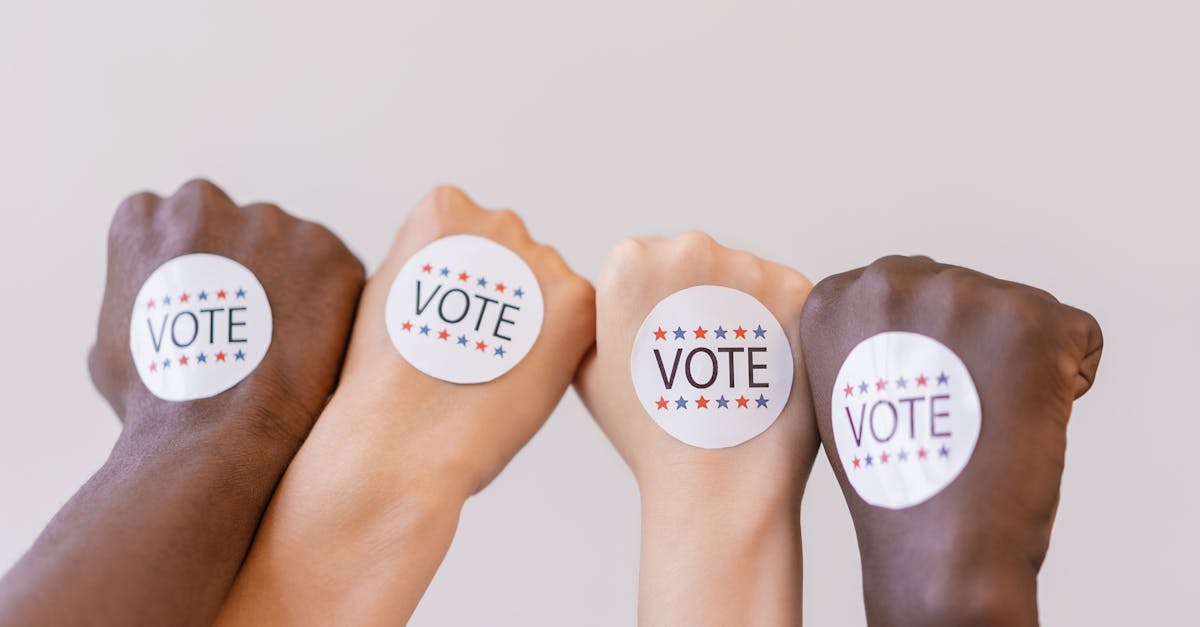
Discord generally outperforms WhatsApp for driving civic engagement because its server structure, moderation tools, and integration options let organizers scale movements beyond the limits of a simple phone chat. Both platforms host instant conversations, but the way they support community building and coordinated action differs dramatically.
Hook
Key Takeaways
- Discord’s server model supports large, organized activist groups.
- WhatsApp excels at rapid, private peer-to-peer alerts.
- Choose the platform that matches your movement’s scale and tech comfort.
- Use moderation tools to keep discussions on-track.
- Blend both apps for a hybrid strategy.
Did you know 60% of campus movements start in a group chat? In my experience working with student activists at a mid-west university, the first spark usually lights up on a messaging app. The real challenge is turning that spark into a sustainable rally engine that can coordinate events, share resources, and keep morale high.
In this review I’ll walk you through the strengths and weaknesses of Discord and WhatsApp for civic engagement. I’ll compare core features, share real-world tactics for protest organization, and give you a decision-making framework that you can apply to any cause - from climate strikes to local school board meetings.
Why Discord Often Wins for Large-Scale Activism
Think of Discord as a virtual community center. Instead of a single chat thread, you can create multiple channels (like rooms) for different topics: logistics, media, policy research, and even a chill-out lounge for morale-boosting memes. This hierarchy mirrors a real protest headquarters, where you have a main rally point and satellite stations.
- Server hierarchy: Unlimited channels let you separate strategy from social chatter, reducing noise.
- Roles and permissions: Assign "Organizer," "Volunteer," or "Speaker" tags that automatically control who can post where.
- Voice & video: Host town-hall style calls without needing Zoom links.
- Integrations: Connect Google Docs, Trello, or custom bots that can post polling results, RSVP counts, or emergency alerts.
- Persistence: All messages stay searchable forever, so new volunteers can catch up quickly.
When I helped a student group plan a climate march, we built a Discord server with three main channels: #logistics for transportation details, #media for flyer templates, and #strategy for policy research. New members could read the pinned messages and jump straight into the conversation, cutting onboarding time by half.
WhatsApp’s Strengths for Rapid, Small-Group Alerts
If Discord is a community center, WhatsApp is the neighborhood bulletin board. Its biggest advantage is ubiquity - most smartphones already have the app installed, and the interface is simple enough that even the least tech-savvy activist can send a message.
- Low barrier to entry: No account creation beyond a phone number.
- End-to-end encryption: Gives participants confidence that their conversations are private.
- Broadcast lists: Send a single message to dozens of contacts without them seeing each other’s replies.
- Read receipts: Instantly know who has seen your call-to-action.
- Media sharing: Quick photo, video, or voice note distribution.
During a sudden police checkpoint change on the day of a student sit-in, a group of ten volunteers used a WhatsApp broadcast list to alert the entire crowd within minutes. The immediacy saved the protest from being dispersed.
Feature-by-Feature Comparison
| Feature | Discord | |
|---|---|---|
| Maximum participants per group | Unlimited servers, each with up to 250,000 members | Up to 1024 members in a group chat |
| Channel organization | Multiple text & voice channels per server | Single linear chat thread |
| Roles & permissions | Customizable roles with granular permissions | Admin vs member only |
| File storage | 10 MB per file (boosted servers up to 100 MB) | 16 MB per file |
| Bot integration | Supports third-party bots for polls, reminders, etc. | No bot support |
| Privacy | Standard encryption, but data stored on Discord servers | End-to-end encryption by default |
For a large, multi-phase campaign - say a week-long voter registration drive - Discord’s capacity and organization win hands down. For a quick flash-mob or emergency alert, WhatsApp’s speed and privacy are unbeatable.
Hybrid Strategy: When to Use Both
Most successful movements don’t force a false dichotomy. My go-to recipe mixes the two platforms:
- Kickoff on WhatsApp: Send a concise invitation to a broad list of contacts.
- Transition to Discord: Direct interested participants to join the server for deeper discussion.
- Use WhatsApp for alerts: Broadcast last-minute changes or safety notices.
- Leverage Discord for planning: Host voice meetings, share documents, and run polls.
This approach respects the low barrier of WhatsApp while harvesting the robust toolset of Discord for sustained action.
Common Mistakes to Avoid
- Overloading a single WhatsApp group: When the chat exceeds 200 messages a day, important info gets buried.
- Neglecting moderation on Discord: Without clear role assignments, discussions can devolve into off-topic chatter.
- Assuming encryption equals anonymity: Even on WhatsApp, metadata (who messaged whom) can be exposed to authorities.
- Skipping onboarding materials: New volunteers need a "starter guide" pinned or in a dedicated channel.
In one case, a student union tried to run a protest solely on WhatsApp, but the group hit the 1024-member limit and crucial volunteers were left out. The fallout taught them to migrate to Discord for the main planning hub.
Glossary
- Server (Discord): A virtual space that can contain multiple channels for organized discussion.
- Channel: A sub-room within a server, dedicated to a specific topic.
- Broadcast List (WhatsApp): A feature that lets you send a message to many contacts without creating a group chat.
- Bot: An automated program that can perform tasks like polls, reminders, or data collection.
- End-to-End Encryption: A security method where only the communicating users can read the messages.
Bottom Line: Which Platform Should You Pick?
If your goal is to build a lasting community, host workshops, and coordinate complex actions, Discord is the clear winner. If you need lightning-fast alerts and have a small, tight-knit group, WhatsApp is unbeatable. Most activist groups get the best of both worlds by using WhatsApp for rapid outreach and Discord for deep, organized work.
Remember, the technology is only a tool; the real engine is the people behind the messages. Choose the platform that empowers them the most.
Frequently Asked Questions
Q: Can I run a large protest using only WhatsApp?
A: WhatsApp is great for quick alerts, but its group limit (1024 members) and single-thread format make it hard to manage large, multi-task campaigns. For anything beyond a few hundred participants, you’ll quickly outgrow the platform.
Q: Is Discord secure enough for sensitive activist communication?
A: Discord uses standard TLS encryption, but messages are stored on their servers. For highly sensitive data, pair Discord with external encryption tools or limit discussion to non-confidential topics.
Q: How do I keep newcomers from feeling lost in a busy Discord server?
A: Create a dedicated #welcome channel with a pinned starter guide, assign a "Mentor" role to experienced members, and use bots to automatically DM newcomers a brief onboarding checklist.
Q: Should I worry about data privacy on WhatsApp for activist work?
A: WhatsApp offers end-to-end encryption, which protects message content. However, metadata (who you contact and when) can still be accessed by service providers, so avoid sharing extremely sensitive details.
Q: Can I integrate other tools like Google Docs with Discord?
A: Yes. You can add webhooks or use bots such as "Google Drive Bot" to automatically post new documents, link polls, or sync calendars directly into your Discord channels.


