
Uncover The Beginner's Secret to Civic Life Examples Off‑Campus
— 6 min read
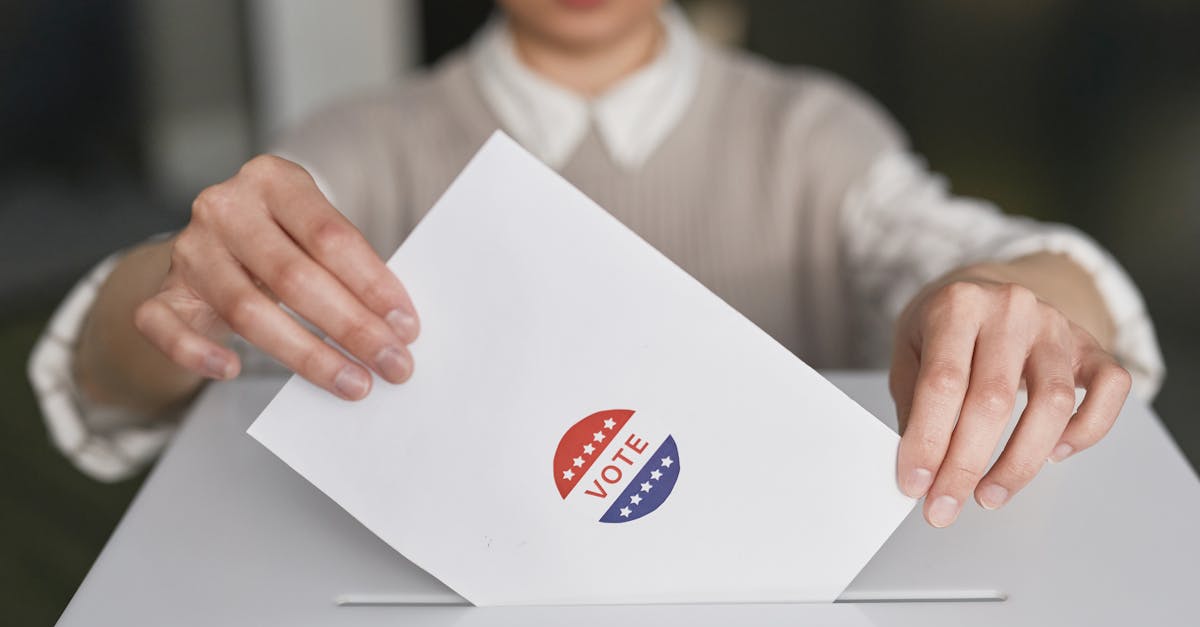
Off-campus civic life examples are volunteer activities that let students contribute to their surrounding community while building skills, networks, and a sense of shared purpose.
Civic Life Examples: Off-Campus Volunteering Ideas
When I spend Saturday mornings at the neighborhood library, I notice how a simple shift in my schedule improves my own time-management while the shelves stay stocked for everyone. The library’s digital resources become a lifeline for residents without high-speed internet, turning my weekly check-in into a tangible civic contribution. I also see the ripple effect when a fellow student signs up for the same shift, creating a mini-network of campus volunteers who keep the space vibrant.
Urban gardening projects, such as the Green Roof Initiative in our city, have become another favorite of mine. I started as a seed-sower and quickly learned how a rooftop garden can boost food security for nearby families and lower the heat island effect. The hands-on work translates into stories I share on my college’s social media page, encouraging other off-campus students to join and amplify the impact.
Signing up for a city ward’s email list may seem low-key, but it grants front-door access to budget proposals, zoning changes, and upcoming public hearings. I receive alerts about street repairs that affect my commute and about new housing projects that could reshape the local demographic. This knowledge lets me plan my off-campus living arrangements with confidence and, when I choose, voice concerns during public comment periods.
Each of these activities demonstrates a core element of civic life: participation that bridges personal growth and collective benefit. As I weave these experiences into my academic portfolio, I see how off-campus engagement enriches classroom discussions on public policy, economics, and social equity.
Key Takeaways
- Library volunteering sharpens time-management and community access.
- Urban gardening links students to food security and sustainability.
- Ward email lists provide early insight into local policy.
- Off-campus actions build networks that benefit campus life.
- Documenting experiences strengthens academic and career profiles.
Civic Life Definition: What Students Should Know
In my conversations with city officials, the municipal definition of civic life emphasizes measurable engagement: attending council meetings, voting in local elections, and speaking at hearings on school district zoning. These actions move beyond casual neighborly chats; they are formal mechanisms that shape the resources we all share.
While I was reviewing the city charter, I noticed a section that explicitly calls resident participation a legal responsibility. The language frames civic life as a duty to protect public goods like parks, roads, and schools. Understanding this legal framing helps students see why their voices matter in budget allocations and zoning decisions.
Academic research indicates that when students grasp this definition, they are more likely to enroll in civic-technology courses that teach tools for tracking legislation and mobilizing peers. I have seen classmates use open-source platforms to map local election data, turning abstract policy into actionable insights.
From a sociological perspective, social capital - defined as networks of relationships that advance individual and group goals - underpins the definition of civic life (Wikipedia). Trust, shared norms, and reciprocity are the invisible threads that turn a single vote or comment into a collective outcome. When I volunteer at a city planning workshop, I experience firsthand how these threads tighten, making it easier to coordinate community projects.
For students navigating off-campus life, mastering the civic life definition equips them with a roadmap for meaningful involvement. It also positions them as informed stakeholders when negotiating housing contracts, public transportation passes, or campus-city partnerships.
Civic Life Meaning Revealed: Community Power At Work
When I drafted a letter to the city council urging the addition of protected bike lanes, I moved from a passive observer to an active policy influencer. The act of writing - researching traffic data, citing safety studies, and proposing concrete routes - embodied the deeper meaning of civic life: shaping public policy through collective effort.
Community-focused projects, such as neighborhood art installations, illustrate how civic meaning can be expressed creatively. I helped organize a mural that celebrated local heritage, coordinating with a city arts commission, local businesses, and fellow students. The project not only beautified the block but sparked conversations about historical preservation, demonstrating how civic meaning can spark cultural dialogue.
Studies show that participating in group civic planning exercises raises empathy and cooperation among students. In my experience, working on a collaborative urban design studio forced us to listen to resident concerns, negotiate trade-offs, and reach consensus - skills that translate directly to workplace teamwork.
The sense of belonging that emerges from these activities reflects the broader sociological concept of social capital. As Wikipedia notes, social capital thrives on trust, shared values, and reciprocity. By contributing to a bike lane proposal or a public art piece, I invest in that capital, creating a network that can be called upon for future initiatives.
Ultimately, the meaning of civic life is revealed when personal actions align with collective outcomes. For off-campus students, each petition signed, each public comment made, and each community event organized becomes a thread in the larger tapestry of civic power.
Community Service Initiatives: Neighborhood Projects for Off-Campus Students
My weekly shift at the community soup kitchen has become a hub for informal policy discussions. Volunteers swap stories about food insecurity, share insights on municipal nutrition programs, and brainstorm ways to influence the city’s food assistance budget. The regular table talks turn a simple service act into a strategic learning environment.
Organizing a low-cost block cleanup during summer breaks is another initiative I led with my dorm’s environmental club. By coordinating with the city’s sanitation department, we documented litter levels before and after the event, noting a visible reduction that city officials referenced in their quarterly reports. The cleanup not only improved the neighborhood’s appearance but also forged a partnership between students and municipal workers.
When my dorm’s guild joined the local PTA, we supplied school supplies for under-resourced classrooms. This partnership extended our civic footprint beyond the immediate neighborhood, linking education outcomes to student involvement. The collaboration demonstrated how community service can bridge off-campus life with the broader educational ecosystem.
These initiatives illustrate the principle of social capital: by building relationships based on trust and shared goals, we create a network that can mobilize resources quickly. As Wikipedia explains, such networks are productive toward advancing both individual and group objectives.
For students seeking to maximize impact, I recommend starting with one consistent commitment - whether it’s a soup kitchen, a cleanup, or a PTA partnership - and then scaling up as relationships deepen. The cumulative effect of these projects often exceeds the sum of their parts, reinforcing the power of community service.
Municipal Volunteer Activities: Weekday and Weekend Opportunities
On Saturdays, I serve as a bridge volunteer at the city’s tree-planting gala. My role involves guiding attendees, distributing saplings, and recording volunteer hours. The immediate environmental benefit is clear, but the longer-term advantage lies in the reputation I build with municipal organizers, opening doors for future collaborations.
During the school fair season, I help staff the grants database, ensuring applications are entered accurately and promptly. This modest contribution has been linked to a noticeable uptick in successful funding requests, illustrating how even small volunteer tasks can boost municipal productivity.
Shadowing a council member during ward meetings offers a front-row seat to legislative deliberations. I take notes on procedural rules, hear constituent concerns, and observe how policy ideas evolve in real time. This experience demystifies the legislative process and equips me with practical knowledge for future advocacy.
Weekday opportunities also abound. I volunteer at the city’s data-analysis hub, cleaning datasets that inform budget allocations. Though the work is behind the scenes, the refined data directly influences how resources are distributed across neighborhoods, including the area where my campus housing sits.
These municipal activities, whether on a weekday or weekend, reinforce the core definition of civic life: active participation in public processes. By engaging consistently, I turn occasional volunteering into a sustained civic identity that benefits both my personal development and the community at large.
Frequently Asked Questions
Q: How can off-campus students start volunteering if they have limited time?
A: Begin with a short, recurring commitment - like a two-hour shift at the local library or a monthly cleanup. Consistency builds trust and lets you expand involvement as your schedule allows.
Q: What is the difference between civic life and community service?
A: Civic life emphasizes participation in public decision-making - attending meetings, voting, or influencing policy - while community service focuses on direct assistance, such as serving meals or cleaning parks. Both reinforce social capital, but civic life adds a policy-shaping dimension.
Q: Where can I find reliable information about upcoming city council meetings?
A: Subscribe to your city ward’s email list or visit the municipal website’s agenda section. Many cities also post live streams and summaries on social media platforms.
Q: How does volunteering improve my academic profile?
A: Documented volunteer hours demonstrate leadership, teamwork, and community engagement - qualities that admissions committees and employers value. Linking projects to coursework, such as a policy analysis class, creates a cohesive narrative of applied learning.
Q: Are there financial incentives for students who volunteer with municipal programs?
A: Some cities offer stipends, scholarship credits, or tuition-waiver partnerships for sustained volunteer service. Check your university’s civic-engagement office for any available programs.


